

Losing a beloved pet is one of the most painful experiences a pet owner can face. Pets are more than animals — they are family members, loyal companions, and a source of unconditional love. When they pass away, it can feel overwhelming to know what to do next.
If you have recently lost a pet, this guide will gently walk you through the practical steps and emotional support that can help during this difficult time.
When a pet dies, the first thing to remember is that it’s completely normal to feel grief. Many people experience sadness, shock, guilt, or even disbelief.
Give yourself permission to mourn. The bond between humans and animals is incredibly strong, and losing that companionship can leave a significant emotional gap.
Talking to family members, friends, or fellow pet owners who understand the loss can help you process your feelings. There is no “right” timeline for grief — everyone heals at their own pace.
2. Confirm What Has Happened
If your pet passes away at home, it’s important to make sure they have indeed passed peacefully. In some cases pets may appear unresponsive when they are actually unconscious.
If you are unsure, contact your veterinarian immediately for guidance. They can help confirm the situation and advise you on the next steps.
If your pet passes away at the veterinary clinic, the staff will typically guide you through the process and discuss options for aftercare.
3. Consider Your Pet’s Aftercare Options
After a pet passes away, you will need to decide how you would like to handle their remains. This is a very personal decision and there is no single correct choice.
Common options include:
Pet cremation
Many owners choose cremation, either privately or as part of a communal service. With private cremation, you may receive your pet’s ashes to keep or scatter in a meaningful place.
Pet burial
Some people prefer to bury their pet in a garden or a dedicated pet cemetery. If you plan to bury your pet at home, make sure to check any local guidelines or regulations.
Veterinary services
Many veterinary practices can organise cremation services and help you manage the arrangements if you are unsure what to do.
Take time to choose what feels most meaningful for you and your pet.
4. Create a Memorial for Your Pet
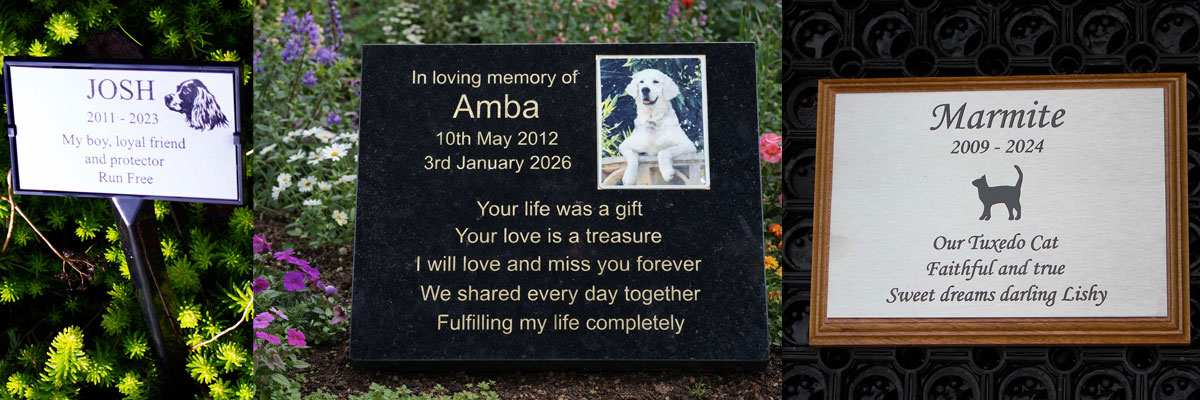
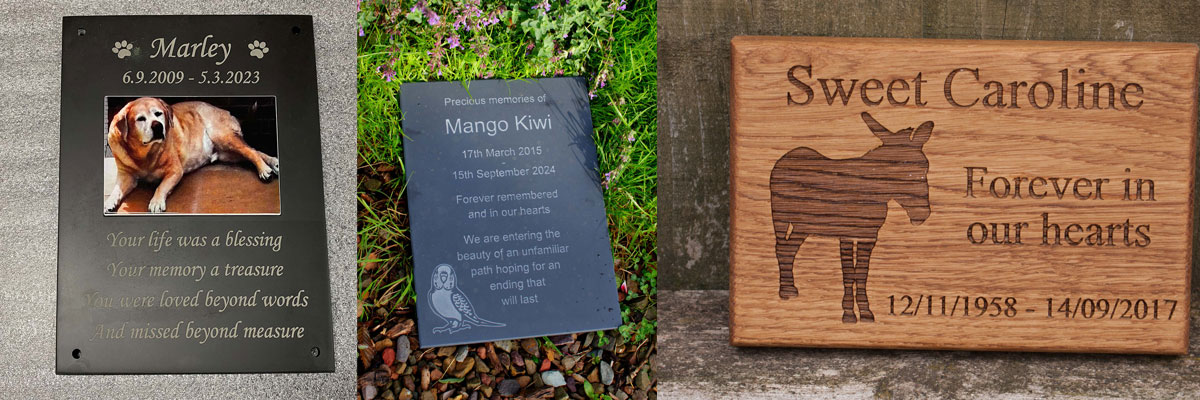
Many pet owners find comfort in creating a small memorial to honour their pet’s life. Memorials can help keep the memories of your companion alive and provide a special place to reflect.
Some meaningful ways to remember a pet include:
- Creating a memorial corner in your home with photos and keepsakes
- Placing a memorial stone or plaque in the garden
- Lighting a candle on special anniversaries
- Planting a tree or flowers in their memory
- Framing a favourite photo or paw print keepsake
These small acts of remembrance can be incredibly comforting and allow you to celebrate the life and love your pet brought into your home.
5. Support Other Pets in the Home
If you have other pets, they may also react to the loss. Animals can sense changes in their environment and may display signs of confusion or sadness.
You might notice behaviours such as:
- searching for their companion
- changes in appetite
- sleeping more than usual
- becoming more clingy or withdrawn
Maintaining their normal routine and offering extra attention can help them adjust during this transition.
6. Talk About the Loss with Children
For children, the death of a pet may be their first experience with loss. It can be an important opportunity to discuss life, love, and grief in an honest and supportive way.
Encourage children to share their feelings and memories. Some families find it helpful to:
- draw pictures of their pet
- create a scrapbook of memories
- write letters or messages to their pet
These activities can help children process their emotions in a healthy way.
7. Allow Yourself Time to Heal
Grieving a pet can take time, and that’s perfectly okay. Some people may feel ready to welcome another pet into their lives eventually, while others need much longer.
There is no correct timeline. The important thing is to honour the love you shared with your pet and give yourself space to heal.
Remember that grief is simply a reflection of the deep bond you had with your companion.
Remembering the Love They Gave
While the loss of a pet is heartbreaking, the memories they leave behind are incredibly special. From quiet moments on the sofa to joyful walks and playful mischief, those memories remain a lasting part of your life.
Creating a small tribute, sharing stories with loved ones, or simply reflecting on the years you spent together can help keep their spirit close.
Our pets may only be part of our lives for a short time, but to them, we were their whole world.
And that love never truly fades.